Blog 8 min read
Vulnerability certificate for Spain regularization 2026
Who needs the vulnerability certificate for Spain regularization 2026, who does not, who can issue it, and why it is becoming a bottleneck.
In this article
Since April 17 this has become one of the most repeated questions in the process: do I need the vulnerability certificate or not?
The correct answer is short: many people think they do, and in fact they do not. But for people who really need it, that paper can shape the speed of the whole file.
What this certificate actually is
It is the document used to prove the vulnerability basis inside the extraordinary regularization route.
It is not a decorative paper. It is not a generic letter saying your situation is hard. It is the form the Administration wants to see when that social reality is translated into an immigration file.
Who does need it
People need it when they are entering regularization 2026 through the specific vulnerability route.
That usually happens when the person:
- is not filing through the work route
- does not fit through the family route
- and is not relying on the route designed for international protection applicants
In those cases, vulnerability cannot stay at the level of personal narrative. It has to become a document.
Who does not need it
This is the part that caused the most confusion.
The Ministry has clarified that the following people should not submit this certificate:
- people entering through the work route
- people entering through the family route
- people who have applied for international protection at some point
That does not mean those people cannot be vulnerable in a human or social sense. It means something narrower and more administrative: their legal entry point into the procedure does not depend on this certificate.
Who can issue it
The decree and Ministry guidance point to two types of issuers:
- authorities competent in social assistance
- certain third-sector entities enabled to collaborate in immigration matters
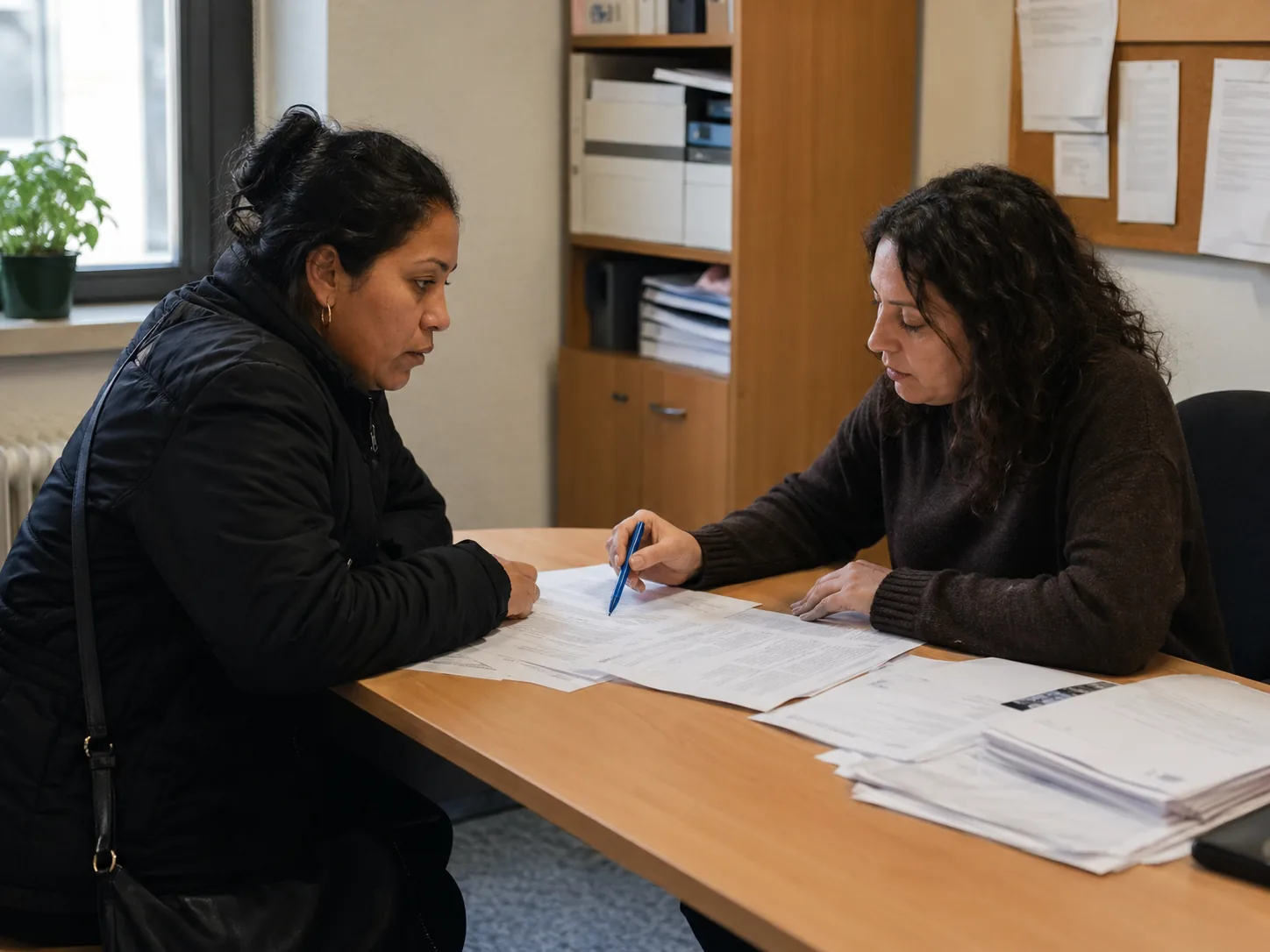
That helps explain why this document is becoming a bottleneck in some places. It is not the sort of certificate you can improvise at any desk or replace with a personal statement.
Why this paper has become so sensitive
Because it gathers three tensions at once.
The first is legal. Without the certificate, the vulnerability basis may have no formal anchor.
The second is operational. Not every entity works at the same speed, with the same criteria, or with the same response capacity.
The third is human. Many people reach this route precisely because they are living unstable situations, and that same instability makes the file harder to organize.
What the issuing entity is often looking at
The language of the decree is broad. It speaks of the effects of irregular administrative status together with personal, economic, social, psychosocial, family or housing circumstances.
In practice, that means connecting concrete facts to a recognizable vulnerability situation.
It is not enough to say:
- I am struggling
- I have no stable income
- my case is complicated
Someone with formal competence or authorization has to assess that situation and turn it into a certificate.
What you should prepare first
There is no universal checklist because each entity works inside its own assessment framework. Even so, it helps to arrive organized.
At a minimum, prepare:
- identity documents
- proof of presence and stay in Spain
- any social, medical or housing documents that explain the situation
- proof of family dependency, children in your care, or lack of income when that is part of the case
Not because every entity will ask for exactly the same things, but because a badly explained situation is harder to assess.
The most common mistake
The most common mistake is not asking for the certificate and being refused.
The most common mistake is realizing too late that your file needed it.
When that happens, everything slows down:
- the appointment was already booked
- the folder looked finished
- and suddenly the key document that supports your legal basis is missing
That is why this question should be separated early. Even before you start uploading documents to Mercurio.
How it fits with the rest of the file
The vulnerability certificate does not replace the other documentary blocks. It sits on top of them.
You still need:
- identity
- proof you were in Spain before January 1, 2026
- uninterrupted stay
- criminal records
The difference is that, in your case, the filing basis also depends on this certificate.
If you are still organizing the full folder, continue with documents needed for Spain regularization 2026.
What to do now
If you think you are using the vulnerability route, do not leave this for the end.
First confirm that this is really your route.
Then identify which entity can certify your situation in your area.
Only after that should you organize the rest of the file around that timeline.
The key idea
This certificate is not an extra. For some cases it is the piece that turns a difficult situation into a legally usable route.
That is exactly why, when it is needed, it should be treated as a central piece rather than the last paper in the folder.
Sources
Quick questions
Does everyone need the vulnerability certificate?
No. Only people using the specific vulnerability route need it.
Do people using the work or family route need it?
No. The Ministry has clarified that people filing through the work route, family route or international-protection route should not submit it.
Who can issue it?
Authorities competent in social assistance and certain third-sector entities that are officially enabled to collaborate in immigration matters.
Keep reading
The same mistakes keep repeating.
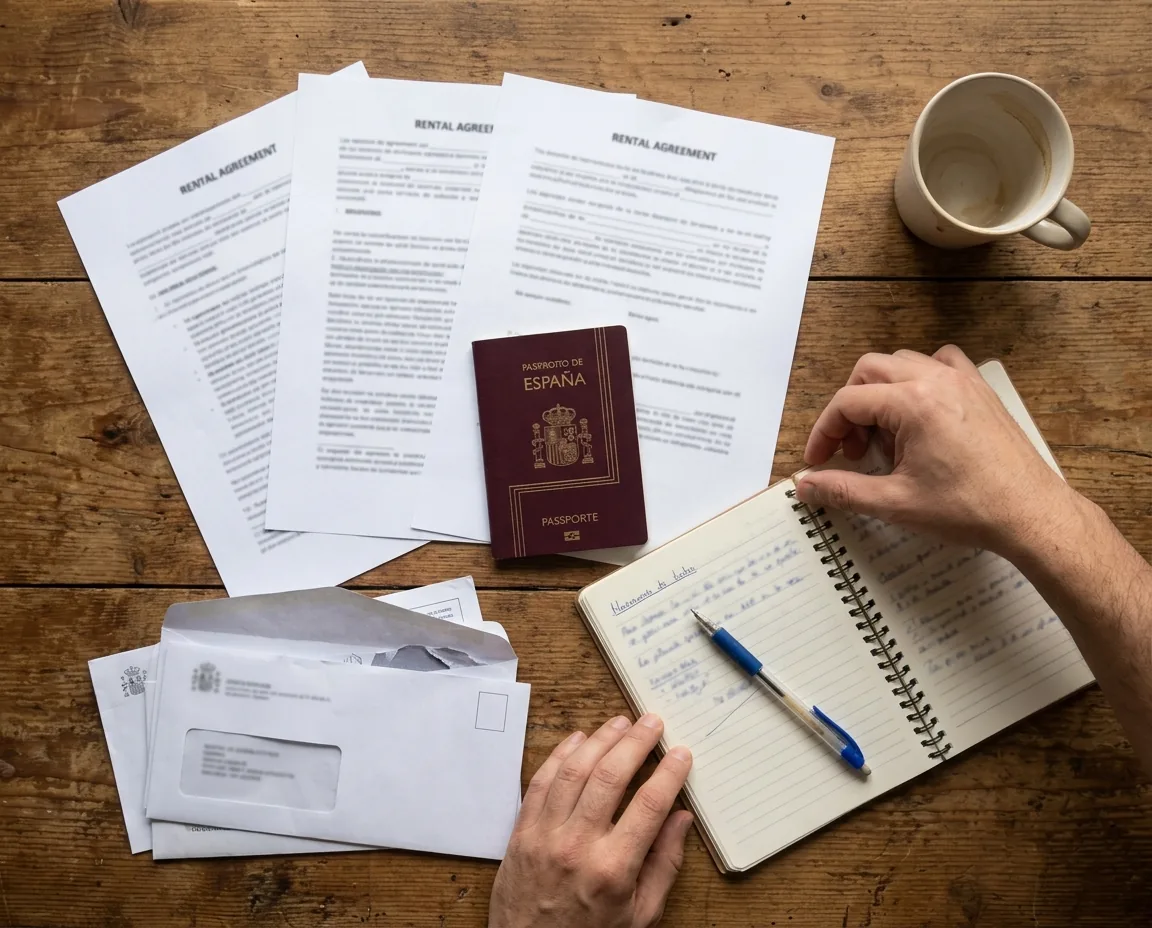
Documents needed for Spain regularization 2026
A practical checklist of documents for Spain regularization 2026: identity, cutoff-date proof, continuity, criminal records and vulnerability proof when needed.
- Regularization 2026
- Documents
- Filing strategy
What has happened since Spain regularization 2026 opened
What has happened since Spain regularization 2026 opened: portal, offices, Supreme Court, vulnerability certificate and the first real numbers.
- Regularization 2026
- Updates
- Appointments

Final 2026 decree: the key changes explained
A clear summary of the real changes in Spain regularization 2026: legal structure, criminal records, vulnerability proof and what to prepare now.
- Regularization 2026
- Decree 2026
- Immigration